Latest Posts

Kylie Bridges | Artist and Collaborator

“We were all set up in Sydney,” says Kylie Bridges, shaking her head in slight disbelief at what she’s about to say.

“I really didn’t think he’d walk away from it all, but he did and we’re here and we love it”, she says, referring to her husband, Mark, a self-employed bathroom renovator and musician, and their decision to move to Clunes 13 years ago.

“I still actually go ‘wow, we really did it’, because we were in a really nice situation, in a little house, great friends, great street”, Kylie explains. A chance encounter between their son Josh, a toddler at the time, and a stranger’s playful dog on a Byron Bay beach changed their lives. The dog’s owner told them how he’d lived all over the world but had now settled in Clunes. “‘It was God’s country’, he said, and he told us to ‘do yourselves a favour and just go out into the hinterland while you’re up here’”, Kylie recounts. She never did learn his name.

Now primarily a self-employed graphic designer, artist, and mother, Kylie draws on the skills picked up throughout a varied career which has encompassed administration, retail management, call centre work, customer service and hospitality.

Completing a visual arts degree straight after school, her artistic side has been a constant anchor. “I’ve always done something creative, just whatever I could find”, Kylie says. This year Kylie’s daughter, Elke, the youngest of her four children, is starting school at Clunes Primary, following in the footsteps of her three older brothers, Josh, Toby and Ethan.

“It will be bittersweet”, Kylie says, of her child-minding days ending and her own pursuits coming to the fore.

“This is my year to bring it all together and see what it can be,” she says. “Now I need to work out for me and my career, I’m all grown up. Far out!”

The past two years have been challenging and enlightening, as Kylie has ventured into the world of hospitality together with her business partner and friend, Emma Nichols. Looking for a way to combine their shared love of art, exhibiting, food and coffee, they took over the Eltham Valley Pantry in 2013 after it was marked for closure. Emma, being a talented cook, and Kylie, being passionate about collaborating and exhibiting with fellow artists, desired to create an art workshop, gallery and coffee house.

“We knew it would be hard but it was so much more than we thought”, Kylie confides.  The pair discovered it wasn’t easy to put their own mark on a space with such a solid, existing reputation, and make it their own. But by the time they decided to move on, Kylie and Emma were able to pinpoint the direction in which their partnership should go next. “Through that process we realised it’s not what we wanted. That’s how Found came to be”, Kylie says.

Found Coffee and Creative was the pair’s second foray into hospitality. A café and a place to exhibit, produce and talk about creative projects in the centre of Lismore, it was a wonderful, if short-lived, venture. While the timing and the building weren’t meant to be, Kylie is proud of what they started there, and the connections they made have continued to bear fruit.

Energised by the idea of connecting with and encouraging fellow creatives, Kylie and Emma have now begun to focus on curating pop-up artisan markets, such as the one held in Bexhill last November. It’s an ideal way to foster a community of talented people and give them access to the public in an encouraging environment.

Collaboration is an essential part of Kylie’s work, both in business and in art.

“I really get inspired seeing other people’s talents and creativity. With the portraits that we do, obviously it’s going to have my influence, my style, but I like to know what their scenario is, what their surroundings are.”

Recently, a client was so moved he burst into tears when Kylie unveiled a portrait she’d done of his two sons. “It’s trying to find those stories to put in there, that’s what I really love to do. It’s the challenging thing but the most rewarding part of it.”

www.kyliebridges.com 

Soundtrack To a Road Trip

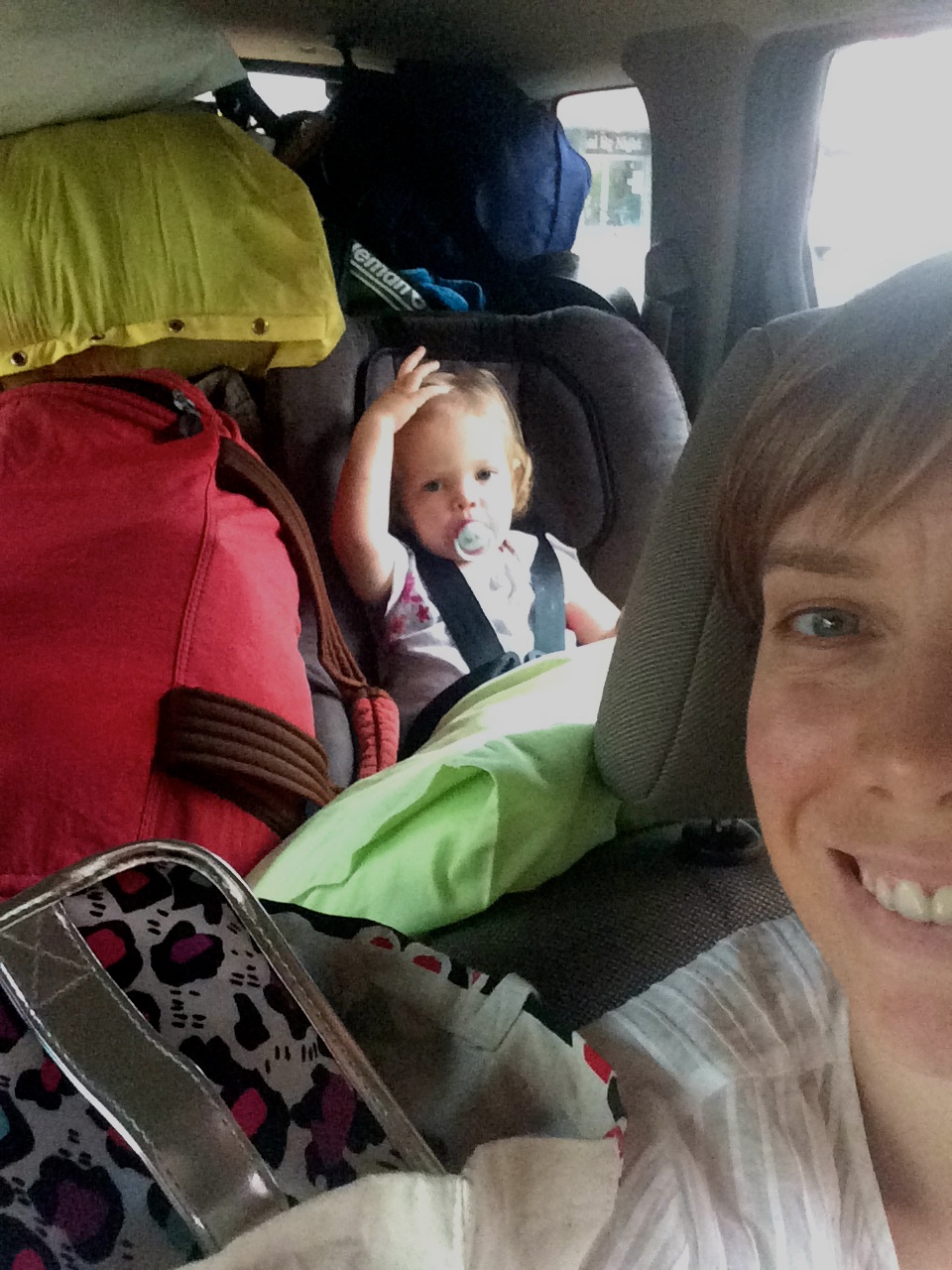
Since I’ve moved towns, my summer road trips have become down right familiar. They take me back to where I grew up, along a road I’ve travelled a hundred times before. Each year we optimistically pile our kids, Christmas presents, pet, beach gear, party outfits and active wear into the car and set off for our little 3-hour journey down the Pacific Highway.

I’m not getting to many festivals these days, or going off on spontaneous camping weekends with my mates, so this annual drive is one of my only chances to feel the carefree vibes of taking to the road, air-con in my hair and porta-cot jammed in behind my seat.

This time, we had so much gear we decided to take two cars, and on the return trip I get the kids while Tim has the dog. Luckily, I also get the CD stacker.

Since we’re constantly trying to educate our 4.5 year old how to appreciate modern rock music, and since kids are such good learners, he now complains whenever we play anything that “doesn’t have enough guitar in it”.

Ergo, the stacker is a constant rotation of albums which have good “dir-nir” bits in them, loud bits, riffs that you can strum along to on your air guitar while strapped in a 5-point harness. 

As I start up the car, Seth predictably requests the first track from Ryan Adam’s self-titled album from 2014. “Mum, I want this song: ‘I can’t talk, my mind is so blank. So I’m going for a walk, I got nothing left to say.'”

I oblige, and we head off on the black asphalt, in that pleasant state of anticipation where the rest of the CD and the rest of the trip stretch out ahead of us. 

All my life, been shakin, wanting something
Holding everything I had like it was broken
Gimme something good

The album is melancholy, but not heavy, and even though the songs are about loss and worry, they are so tuneful I sing along, not caring about the words I can’t make out. The riffs are plentiful and the melodies roll along like little trains going downhill. My mind starts to wander, safe in the bubble of space created by my car where nothing else can get in.

I ponder the people who live in the houses right beside the highway; who are they and do they like living there? I wonder if the constant noise bothers them, and whether they have to turn their TV up extra loud.

When I don’t have anything to think about, I can think about anything. Usually I drift towards career options or some revelation about how to improve my work-life balance. What shall I do when I get to where I’m going? I think about all the things I can and want to do when I get there, but in this moment there’s no real commitment so my ideas can be as large as they like.

Pink as a rose the sunset’s fading
Can you feel the darkness, it surrounds the house
Plain as the truth my breath is baited
It pinches like a trap shut around the mouse
Let down the rope ’cause we fell in
Let down the rope
Hanging round the wishing well
It’s a slippery slope
And I let go
Let go
Of it

I think about habits I should form, or old ones I should get rid off. I replay conversations in my head and think of how I could have been more tactful or less awkward. I invent the perfect comeback line days too late. I hope my ideas will hang around long enough for me to grab hold of them.

Maybe every promise anybody makes
Is destined for the rocks the longer it takes
Daylight is so close that I can’t almost taste it

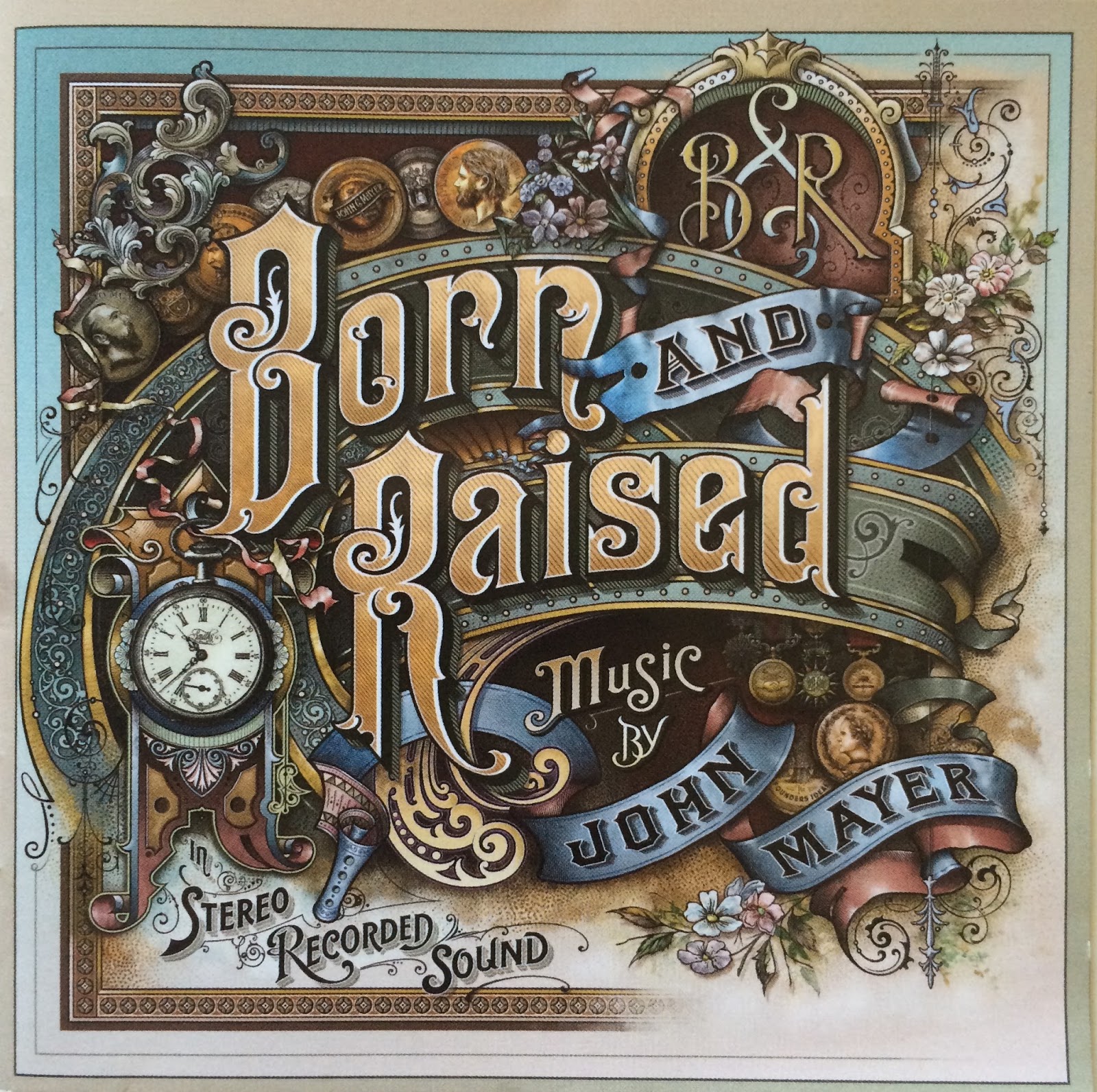
Next I put on John Mayer’s Born and Raised. The first song is about going west, seeking new scenery. I sing along. I’m having so much fun I wonder if I should take singing lessons this year. My backseat critic complains, but I persist. He’ll soon fall asleep.

Goodbye cold
Goodbye rain
Goodbye sorrow
And goodbye shame
I’m heading out west with my headphones on
Boarding a flight with a song in the back of my soul
That no one knows

There’s a song about a family guy who’s stuck in a rut, and, despite the sheer craziness of his idea, decides to build a one-man submarine. It gets me every time. The single mindedness, the need to see something through, I wonder if I’d have that kind of dedication.

And his wife told his kids he was crazy
And his friends said he’d fail if he tried
But with the will to work hard and a library card
He took a homemade, fan blade, one-man submarine ride

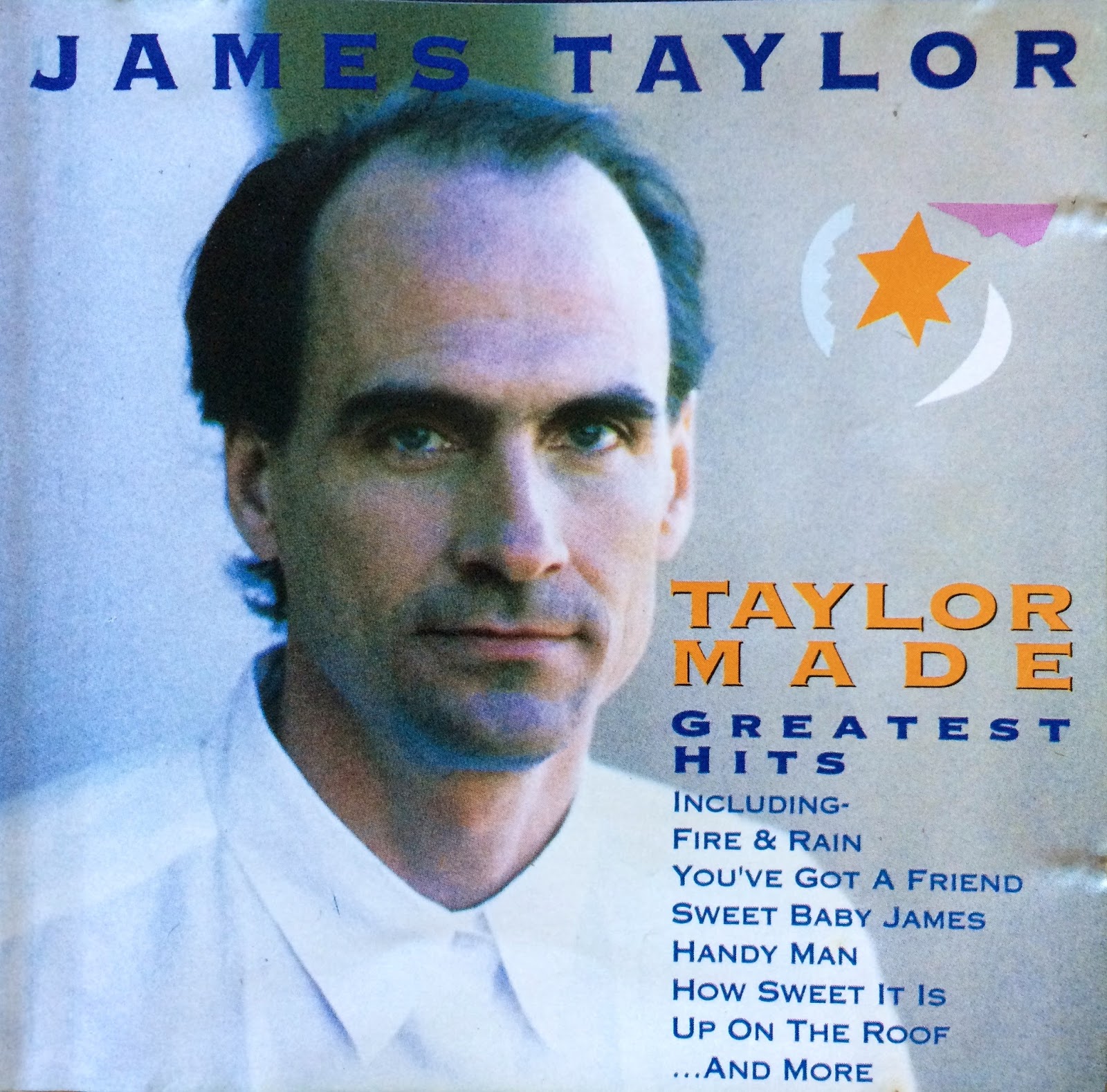
The traffic is getting heavier and it’s time for a new album. Taylor Made – James Taylor’s Greatest Hits is not something I thought would ever be in my collection, let alone on high rotation in the car, but here we are. Mister munchkin’s awake again, so we turn up his favourite song, Mexico. It peps us up with it’s Caribbean feel, and we savour the key changes and belt out the chorus each time it comes around.

Oh, Mexico
It sounds so simple I just got to go
The sun’s so hot I forgot to go home
I guess I’ll have to go now

We skip the next track, You’ve Got a Friend, because it’s too mellow for us, and Seth says, “Mum, it’s coming up to your song”. I can’t get enough of the killer piano and the shamelessly sweet lyrics of How Sweet It Is (To Be Loved By You) that make me smile from ear to ear. Man, I wish I could play like that.

I close my eyes at night
Wondering where would I be without you in my life
Everything I did was just a bore
Everywhere I went, it seems I’d been there before
But you brighten up for me all of my days
With a love so sweet in so many ways
I want to stop, and thank you baby
I just want to stop, and thank you baby
How sweet it is to be loved by you

Soon after this, the album descends into a pool of mostly indistinguishable soft rock ballads, all electric piano and overly sincere messages about love and friendship. I don’t turn it off though, because it reminds me of the intros to the 80s American sitcoms of my youth. Family Ties, Alf, Full House. I cringe but I’m still smiling.

He said, me and Melissa, well we fell out of love
Ran out of luck, seems like lightning stuck
I’ve been thinking of leaving, but I can’t raise a buck
James, I’m wondering could I borrow your truck?
I said that’s why I’m here, got no better reason
That’s why I’m standing before you, that’s why I’m here

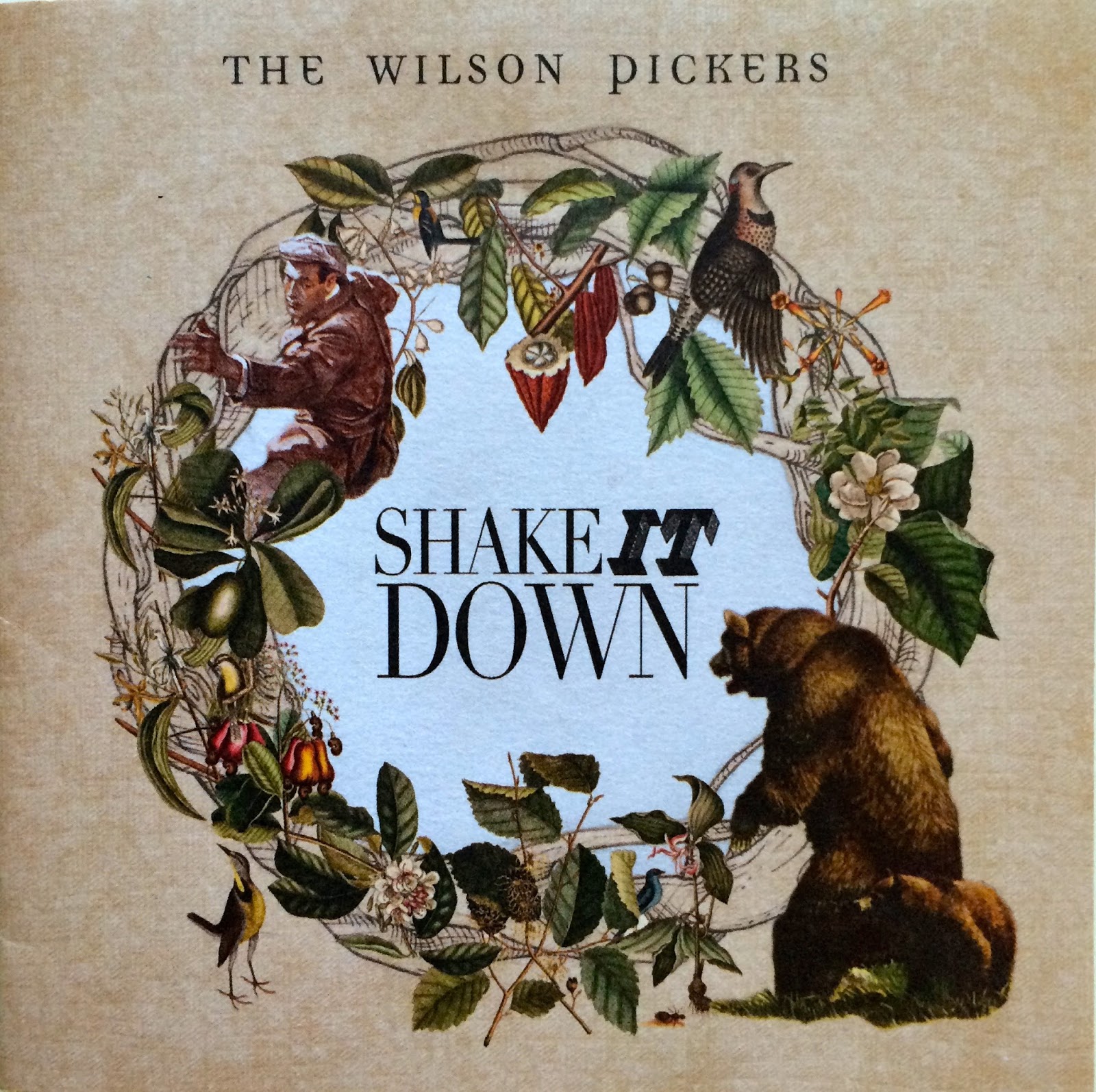
We’ve slowed to a crawl now as we come to a town and I’ve made it through all 20 of James’ greatest hits. I rummage through the cases and I pull out the Wilson Pickers’ Shake It Down. It’s finger-picking, toe-tapping heaven and I remember the first time Tim and I saw these guys at the Great Northern in Byron Bay years ago, playing support to another band.

We bought their home-pressed CD with the title written in permanent marker and have loved them ever since. They’ve got professional printing now but I still picture the five of them on that little stage.

In the new year I’ll be playing my guitar and you’ll be watching’
Watchin’ from afar and I’ll be prayin’
Prayin’ I bring some money home soon 

In the lane ahead I can see a car with bikes stacked on the back, the number plate scrawled in crayon on an A4 piece of paper stuck on the rack. Utes with surfing gear tied to the roof racks roll on past a middle-aged guy picking the weeds out of his lawn by the highway. We pass a house that’s been for sale for longer than I can remember. Perhaps its riverside serenity isn’t enough to drown out the truck noise day and night. I feel sorry for it, and then feel guilty that my pity is probably unwarranted.

There’s not long to go now and I need to decide whether to pick up some dinner on the way through town. I resolve to write down all those new habits I’ve thought up.

Once I get home.

David Meldrum | Paediatrician

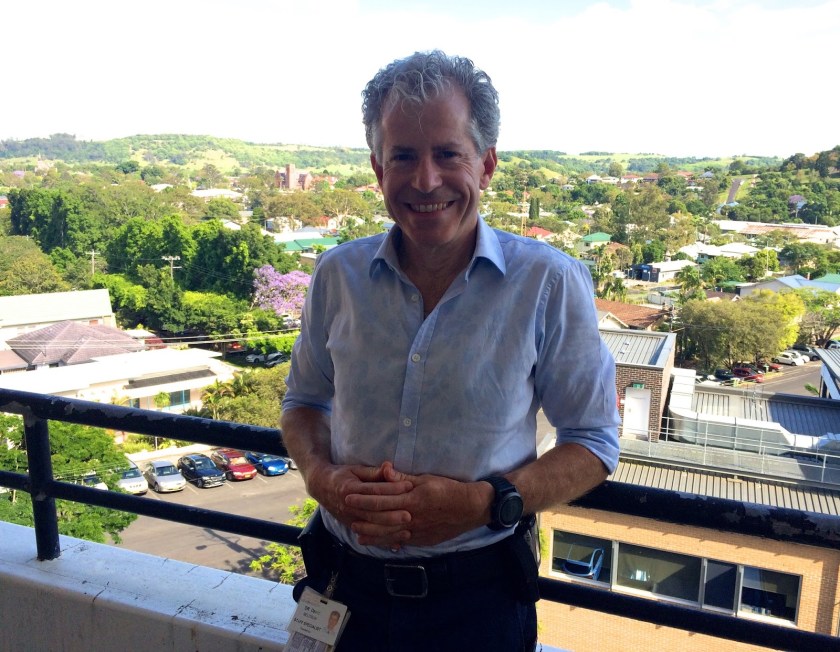
Paediatrician, David Meldrum, initially studied engineering at university, but left halfway through his degree. “I couldn’t stand it, quite frankly the maths was beyond me!” he exclaims, sitting in his office in Lismore Base Hospital. After a break working and travelling, David thought he’d give medicine a try, and hasn’t looked back.

After finishing his medical degree in Melbourne, where he grew up, David took a year off to travel in Australia and overseas. He settled in Sydney when he returned, and there met his wife, Kim, who had also just been travelling the globe.

It was 1996 and Kim had recently emigrated from England. The two met at a party and immediately hit it off, swapped suitcase stories, and it turned out they’d been to a lot of the same places, right down to both having stayed with the same family in the same yurt in a remote village in western China.

David, Kim and their two boys, Ross, now 10, and Connor, almost 12, moved to Eureka in 2008 after David got a job at Lismore Base Hospital. During his training years as a young doctor, David had done a three-month stint in Lismore in 2000.

He had always been a city person and had supposed that “living in the bush sounds nice in theory but in practice it’s probably different”. To his and Kim’s surprise, they absolutely loved it.

So, when they were looking to escape from Melbourne later on, David jumped at the chance to come back to this area and try living outside a major city. “A job came up here so we thought we’d give it a go”, he says.

Where they found Melbourne hard work with kids, with lots of time in the car and difficulty meeting new people, David and Kim loved the welcoming atmosphere around the Northern Rivers, with its warm people and alternative lifestyle.

Originally planning to live in Bangalow or Clunes, the family weren’t anticipating living on a property out of town, but when they found 5 acres at Eureka they loved it at first sight.

When he began medical training, David originally wanted to be a general practitioner, but soon found he didn’t enjoy adult medicine as much as he though he would, with its heavy focus on treating degenerative diseases and people at the end of their lives. David realised he was more interested in acute illnesses in younger people, and gave paediatrics a try, not expecting much.  “I just loved it right from the first day”, he says.

When he’s not saving babies and curing kids, David loves going bushwalking and kayaking. He admits to getting a little bit worried with all the shark attacks when he’s out in the ocean at Byron Bay. “I frequently see sharks but they don’t seem interested in me on the kayak”, he says, thankfully.

David notes that, contrary to what he was taught in medical school, a large proportion of a paediatrician’s workload is in fact dealing with societal and other issues.  “A lot of paediatrics now is social chaos and the diseases of neglect, poverty, drug use, violence, and I feel like it’s very hard to make a difference there”, he says.

“Presumably those problems always existed but there wasn’t always an expectation for a paediatrician to come up with an immediate fix.”

That’s one of the challenging aspects of his work, says David. While he likes to think he’s making a difference, David admits to sometimes feeling powerless to effect much in the way of positive change.

David smiles when he recalls how he has been fortunate to end up in his current career, in his current environment, thanks to a willingness to be open to new experiences. “I guess that’s been a bit of a story of my life, of trying things expecting not to like it and then it turns out to be great.”

Camping with kids. Why do I even bother?

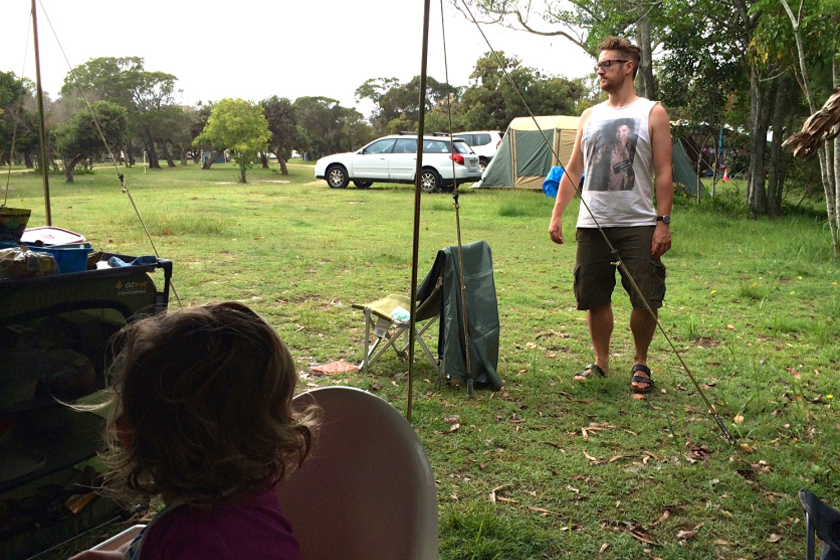
I’ve just recovered from our family’s most recent 36-hour, self-inflicted sanity test. Sometimes it’s called camping. I’m seriously thinking about re-popularising the literal description of this hobby, where it shall once again be known as ‘making camp’.

Unless you have as many holidays as a private-school teacher, your trip will probably be so short that you will actually spend more time planning your trip, packing for it, and erecting the blasted tent than you will spend enjoying the company of your family or your see-through polyester abode. And if you have kids, that ratio goes off the scale. Plus, don’t forget that if you, like me, decide to pack up your tent in the middle of a lightning and rain storm then you need to factor in an extra day or two to unpack, dry, clean out and re-pack all of your belongings once you come home. ‘Un-making camp’, you could say.

Now, if you’re one of those childless, van-owning free spirits who just grabs a book and a tray of sausages and sets off into the sunset at a minute’s notice, I don’t want to know about it. (Just send me a quick text when you’re leaving so you can pick me up on the way).

Seriously, what makes people pack their entire human world of shelter, food and loved ones into their cars, along with an extra jumper, but alas, never an extra airbed in case yours goes down in the night? Because it will go down.

This time we even packed our airbed already armed with the knowledge that it had A HOLE IN IT, with no plan as to how we would prevent it from deflating underneath us overnight, leaving us lying on small pockets of air and hard plastic-edged stretchers.

Of course, anyone who goes camping thinking they will actually sleep more than 2 hours a night is deluded in the first place. What with keeping one ear open for torrential downpours, one eye open for intruders trying to sneak under the tarp and nick your bodyboard, one arm out the side because no grown person can fit their whole body comfortably in a sleeping bag, and one hand on the torch for when junior wakes you at 2.23am and needs to go to the toilet.

Why would anyone agree to go on a “holiday” if you can call it that, where you probably won’t have a shower for days, despite the fact that you are covered in more grit and sweat than at any other time? It’s not as if you have a good excuse for that level of squalor. You’re not climbing Mount Kilimanjaro.

No, if you have children you will probably just reason that it’s more efficient to call a beach dip a shower, to have an extra rinse off after the pool, to not bother wetting another towel or attempting to dry yourself with that heavy, salt-encrusted thing you have hung on the nearest tree.

The only redeeming quality that springs to mind in such circumstances is the thought of ample opportunities to do nothing but relax and unwind, since you won’t be wasting time showering or brushing your teeth. In defence of this most recent adventure, I did get to drink one cup of tea while sitting in a chair. Can’t say that happened last time.

Why do we inflict ourselves with the torture of camping? Are we drawn to the idea of it like a moth to a flame, knowing there’s not much chance we’ll survive but we still decide to do it anyway? If there are kids and work timetables involved, it’s hardly a split second decision. There’s plenty of time to back out, renege, change our minds.

Several weeks of calendar perusing, several days of stuffing ropes into bags and canvas sleeping apparatus into cases they never fit into, several hours of meal planning and spooning condiments into tiny plastic containers.

You could call it off at any time. Actually, if you’re up to the condiments phase you’ve probably already passed the point of no return.

I have such fond memories of going camping as a kid, when I wasn’t in charge of making sure the gas bottle was full or the guy ropes were strong enough to bear the weight of a waterlogged tarp in a summer storm. But I remember one year, when we had grown a little older and my parents thought we knew enough about the whole process to go it alone next time, my mother issued a declaration loud and clear. “That’s it, I’m done with camping, I’m never coming again!” Us kids thought she had lost her mind, who would say such a thing?

As I swept the sand off my scorching hot tarp in the backyard this week, I finally started to see the sense in her statement. Making camp is dirty, exhausting, stressful and time consuming. It can be risky, thanks to the weather and your own equipment.

But despite this, sometimes we feel the need to set ourselves little challenges and put obstacles in our own path where they could just as easily not exist. Even if these challenges are only in the form of folding-table-to-car-boot-size puzzles. Or figuring out how to batten down the hatches so your tent doesn’t leak while still ensuring there’s enough air circulation so you don’t all suffocate to death overnight.

It’s about seeing if you can meet those challenges, and also about letting your kids watch you do it. It’s about loving the fact that you hardly see a mirror for days, and playing more cards in a weekend than you do the entire rest of the year.

But hey, if these reasons aren’t enough to make you want to go crazy at a disposal store, there is one other added bonus. Owning a camp stove, having an esky full of ice and a few rechargeable lights comes in handy when you get home to find your entire village is in a blackout, after being hit by the very same lightning storm which just forced your early exit from the campground half an hour down the road.

Micheal Connor | Woodworker, Luthier, Toolmaker

Micheal Connor doesn’t do things half-heartedly. “If you want to build a bit of furniture you want to make sure it’s going to be here in 100 years”, he says.

A part-time woodworker, toolmaker and luthier, Micheal is fastidious about getting his designs right, spending time testing out his prototypes and making sure every component meets his high standards. Consequently, some of his projects have taken him a long time.

“It’s the anti-Ikea furniture”, he says proudly.

Micheal and his wife, Sue, live on 7.5 acres in Corndale, and their home boasts the fruits of Micheal’s carpentry skills. The dining tables, dining chairs, sofa, raised flowerbeds, pitched roof of the patio are all carefully designed and made.

Even the outdoor chairs we are sitting in are thoughtfully crafted prototypes, made with hinged backrests which adjust to whether you are sitting straight up eating lunch or leaning back loosening your belt buckle afterwards.  I notice there are only two of this kind, though. “One of these days I’ll make some more”, he says, “but I’ve got mine!”

After growing up and attending primary school in Clunes, Micheal worked in Queensland for a time before returning home. This led to doing some chainsaw milling with his brother. “Milling trees grew into an oversized hobby”, Micheal says, and he ended up keeping a lot of the timber.

Then, around the year 2000, after having worked as a self-employed electrician for some time, Micheal suddenly quit his trade to focus on woodworking.

While still working as a sparky, Micheal had started woodworking classes with renowned local cabinetmaker, Geoff Hannah, and built up his skills over several years. The decision to switch to woodworking full time came after he flipped the ride on mower and cut a tendon in his foot.

“I had 6 weeks with my foot up on the table to think about life and the universe”, Micheal says. The approaching end of financial year seemed the perfect time to make the switch, so on June 30 he came home, stripped everything out of his van and stopped taking calls for electrical work.

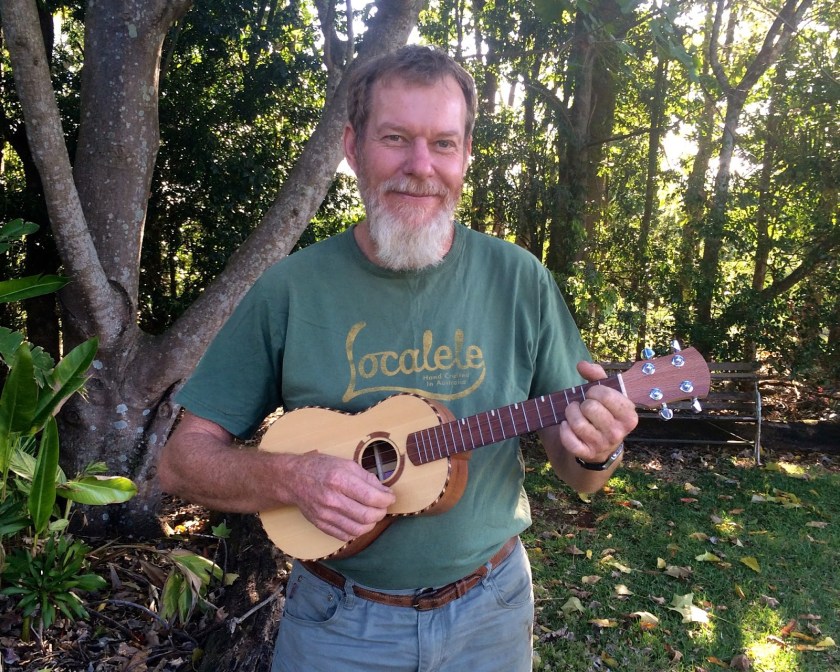
Micheal has been building ukuleles now for about 5 years, after he first learnt the ropes from Booyong luthier, Les Dorahy.

“He was my guidance to do it the right way, the traditional way”, says Micheal, whose own designs are sold under the name, Localele. Made in varying styles and timbers, Micheal shows off one particularly intricate, honey-coloured uke made with wood from a coastal banksia which he salvaged himself after a storm at Wategos Beach a few years ago.

Apart from his own projects, Micheal also works with his teaching partner, Allen McFarlen. Together they run ukulele-building workshops in Brisbane and Cairns several times a year. “It’s not beyond anyone to build one”, says Micheal, although there are certain techniques that you need to be shown along the way.

To see inside Micheal’s timber shed is to get an appreciation of his love for the material and his immeasurable knowledge of it. Blackwood, maple, silky oak, cedar, rosewood, gidgee, mahogany; he knows pretty much where each plank was milled and even sometimes where the tree was felled.

In the machinery shed it’s the same story. Most of the large, second-hand machines have been bought locally and restored by Micheal, and he talks about their histories like mechanics talk about vintage cars.

Micheal’s arsenal of woodworking skills and techniques is always expanding, and he is also constantly fine-tuning his production methods. Whether it’s perfecting the construction of his tools or, as is the case recently, building his own CNC (computer numerical control) machine from scratch, he thrives on getting it just right.

“He’s a perfectionist”, says Sue, with a knowing smile. And he’s not short on inspiration, either. “I’ve got a lifetime of ideas”, Micheal says.

The Waifs @ Bangalow A & I Hall

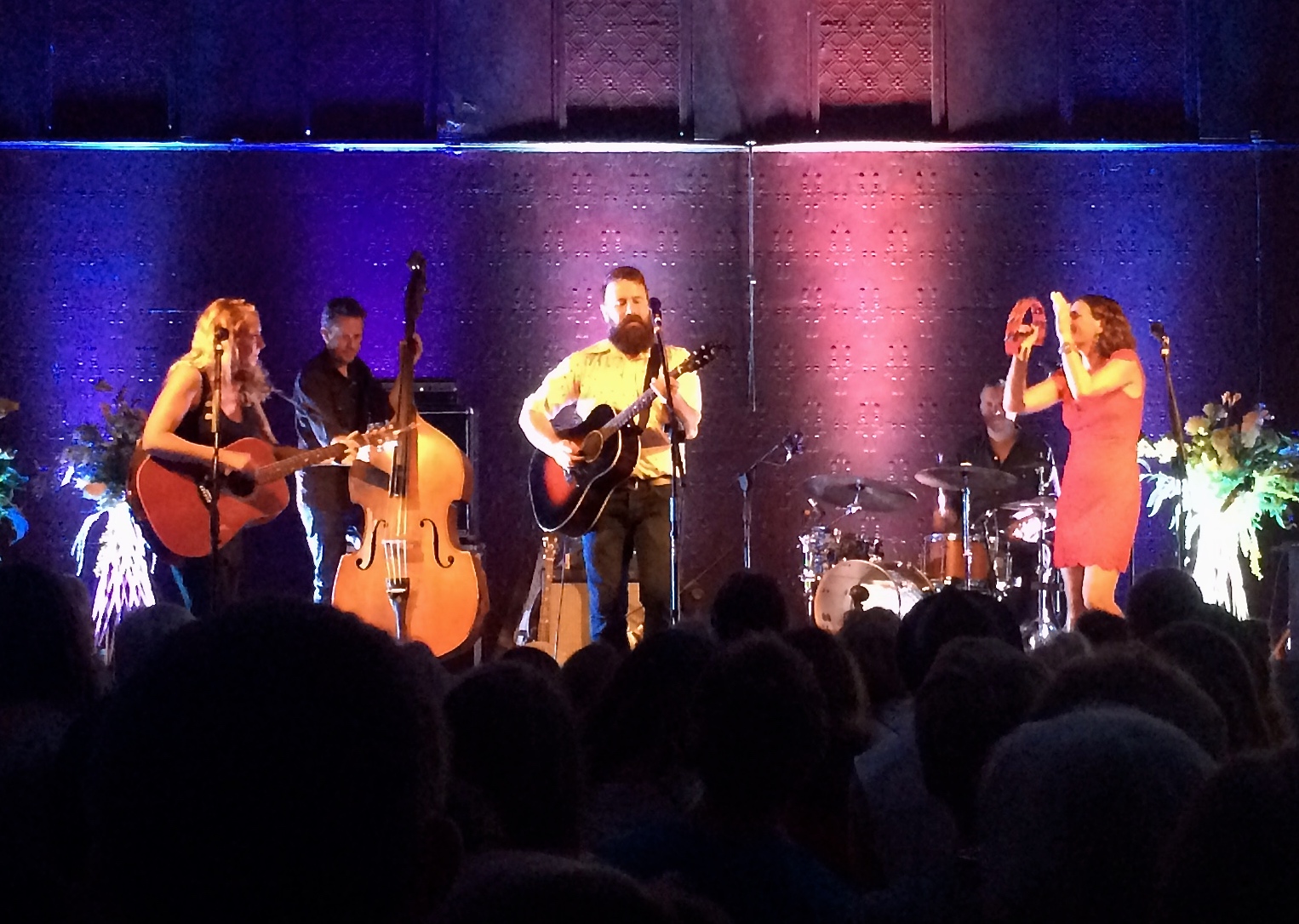
It had been a long time between drinks for me, since the last time I saw The Waifs was in 2009. That night they played at the beautiful Bangalow A & I Hall, with its walls and ceilings covered in pressed tin reliefs, and its flat, open floor worn smooth from a century of gathering.

Last night, the same band in the same venue brought back memories of that first magical night, the relaxed crowd milling around, finding their spot, chatting as they carry their eskys and wine bottles, waiting for the first act to come on stage.

This time Mia Dyson is the opener, brandishing her vanilla icecream-coloured Tone Deluxe Standard, a guitar built by her father. She takes to the stage and a few people mutter, asking who she is. The rest of us are tuning our ears to her soulful, heavy vocals and emotional electric blues, instantly recognisable if you’ve ever heard any of her music

In the hot hall, though, without her band backing her as she revs up for each stinging solo, attentions start to drift and the chatter rises. She brings us back with the catchy When the Moment Comes, and I find myself singing along without knowing the lyrics. A little tune about spending time with a loved one before they pass away, She Can’t Take the World, from her newest album, Idyllwild, is uplifting despite its subject. It showcases her gift for seeing right to the heart of a moment and condensing those feelings into one small package. 

On the ceiling there are no fans, and the small, hinged windows that run the length of the walls above our heads are hardly able to provide enough ventilation for the now-crowded hall. Jackets are removed, brows wiped.

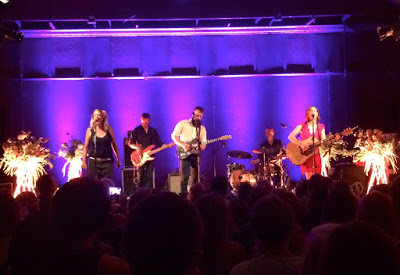
The Waifs have been together 23 years, and are touring their recently released 7th studio album, Beautiful You. They bounce onto the stage with the audience already at their whim.  Donna Simpson launches the performance with her familiar raw vocals, her relationship with the other four musicians so free and easy after all this time together. 

Guitarist and singer, Josh Cunningham, is hardly recognisable under a huge bushranger beard, but as soon as his voice emerges, smooth and effortless from beneath all the fuzz, you know it can’t be anyone else. Within three songs he has changed guitars three times, from electric to acoustic, to electric ukulele and back again.  

Vikki Thorn’s skills on harmonica marry up beautifully, and barely a song passes which doesn’t benefit from a bluesy burst inserted expertly between vocals and guitar solos. 

Mia Dyson jumps back on stage to join Josh in a “gospel shred off”, jokes Vikki, and they lurch into their blues/gospel masterpiece, Temptation. It fills the hall with a wall of harmonies as they work their way to a dueling guitar call-and-response solo midway through. Josh’s Born to Love on banjo is country enough to avoid any comparison with the current crop of hipster urban hillbilly tunes, cemented by a stomping drum beat and anchored by the trio’s close harmonies in all the right places. 

Part of The Waifs’ enduring appeal lies in their ability to create music as a close-knit group with a shared history, while still allowing each member to maintain their individual storytelling and songwriting styles.

With each new song, the emotion in the room changes, and I have a lump in my throat as Vikki and Josh begin to play Gillian, a song Josh wrote for his mother in his early days with the band. The love, the weight of parental responsibility, the honour of being someone’s child all impossibly conveyed in a few simple lines.

Donna sings her heart out for the title track from the new album, Beautiful You, which, she explains, was written as a plea to a friend struggling with addiction. The pain is palpable and her rawness leaves the crowd awkwardly searching for somewhere else to look.

Classics from their back catalogue, like London Still and Lighthouse, are as sweet as ever, with the sisters taking turns at the mic while Josh expertly recreates each line so that it matches with the melodies burned into the minds of everyone present. 

At one point I notice I have started swaying in time without realising it, but the song ends just as I become aware. With my mind wandering and my feet tapping, the validity of our day-to-day struggles and the joys and pains of a simple life are sung with such conviction and honesty that you can’t help but feel happy to be alive.

An Ode To Moving House

The pitfalls of renting are many and varied. From not having the long-term stability of living in one place year after year, to constantly being at the whim of landlords’ decisions to increase rents, to not being able to hang your mirror in a spot where you can actually see your head and your body at the same time. There are some upsides, like not being responsible for plumbing repairs or tree removal, but that about covers it.

Aside from property, most other assets actually depreciate over time. That new car you just bought will be worth half what you paid for it in just 2 years, your office photocopier worth a little less with each tax return.

Yet year after year, renters find themselves paying more each week for what is essentially an older, more worn out version of the building where they eat, sleep and do laundry.

As sure as the sun rises, renters know one day they will have to move out. Unable to renew our 12-month lease, we had been put on a Periodic Lease, also known as month-to-month. It lasted nine months, during which time we were in a state of limbo, scanning real estate websites wondering whether we should move now? Or now? Or soon?

When we were officially given our marching orders it was a two-edged sword. We were thankful to have some clarity and deadlines, but we knew that the process awaiting us was so tiring! Even after you’ve stopped looking for possible places to call home, you’re constantly comparing your soon-to-be-home with your not-for-much-longer-home.

A 10-minute inspection is hardly enough time to store the answers to all the questions that will pop into your head at 11.30 at night a week later. Did the new place have a double sink in the kitchen? Will our big, old couch fit in the lounge room? How many mates does it take to move a cupboard? All first-world problems, sure, but some that I can certainly do without.

With over 23% of Australian households living in private rental accommodation, our situation isn’t unique. In some European countries, where renting isn’t seen as the second-rate option it is here, the figures are much higher, closer to 60%.

Renters there have better rights and more stability, being able to secure long-term leases at capped rental rates. Here I had to grovel for a 2-year lease, and even then it’s got a rent rise already built into it. Apparently it’s so unusual that even the computer payment system at the real estate office couldn’t handle the two year timeframe, so it spat out a helpful statement saying we had an amount outstanding of $8.47 in order to balance the figures over the two years.

On the plus side, at our new place there are different gardens to explore, sunny balconies on which to relax and welcome roof insulation under which to appreciate the early warm weather. And then there’s the endless revolving conversation with the pre-schooler about why he likes the old house or the new house better on any given day. Oh, and another leaking tap to fix. At least I only need to remember one number to call for all my repairs…

Graeme and Jen Stockdale | The Stockpot Kitchen

A tall man with a wiry beard and a flat cap greets me in the kitchen of the Bangalow Bowling Club. It’s only 10.00am but already he’s got a huge pot of pork belly on the stove. This is Graeme Stockdale, one half of the brains behind catering and restaurant team, The Stockpot Kitchen.

Graeme and his wife, Jen, started their catering company after Graeme lost his job as head chef at Liliana’s Café when it closed last year. “I’d never had a job pulled out from under me before”, Graeme says earnestly. It’s only a moment, though, before he’s smiling again, resolute about their decision to go it alone. “Even if it falls on its arse and ruins me at least I’ve tried it!”

When they first started The Stockpot Kitchen, Graeme says the goal was that after one year it would be his full-time job. In serendipitous timing, in July this year Graeme and Jen took up permanent residence in the Bangalow Bowling Club, serving their hearty, home-style fare for dinner Tuesday to Saturday. “It’s just gone boom”, says Graeme. The combination of à la carte, curry Tuesdays and Southern fried chicken Thursdays have been so popular there’s sometimes not a spare seat in the house.

Graeme’s cooking style is based around food that brings people together and can be shared among the hungry hordes, however large they may be. “It’s all stuff I’d cook at home”, he says, either for his own family or if there are lots of people coming over, which is apparently a regular occurrence. His influences change regularly, depending on what he’s reading, or what he’s eating.

“Cultures who share a big table of food, sharing condiments and plates of food, that’s what excites me”, says Graeme. American-style barbequing and smoking are some of his current cravings, with rubs, marinades, sauces and slaws all having their moment in the sun alongside succulent cuts of slow-cooked meat.

Graeme and Jen have been in the Northern Rivers for 11 years now, after they came over from Western Australia to work in the snow season at Thredbo. They passed through this area on a trip north to visit Jen’s family in Queensland and just loved it.

Both Graeme and Jen have a long history of working in restaurants, Graeme as a chef and Jen as a pastry chef. They even worked together for 5 years in the kitchen at Utopia Café in Bangalow before Jen left hospitality to go into youth work. Today Jen still works a 9-to-5 day in Lismore before working at the bowling club most nights, as well as making desserts for the restaurant and catering events.

Graeme, Jen and their two boys, Sebastian and Obi, live in Bexhill on a one-acre block, which Graeme says is “big enough for a few massive gardens.” The gardens are Jen’s turf, where she grows green leafy things like kale, rocket, and cabbage that end up on the table at home and at the restaurant.

The couple love supporting other local producers, using meat, coffee, vegetables and herbs sourced from down the road or across the valley. Trading food with friends is also a great way to use whatever is plentiful and in season, such as fresh Bexhill mandarin marmalade that recently found its way into a dessert. “I made a marmalade frangipane tart, it was off the hook! And I don’t even like marmalade”, laughs Graeme.

Condiments are key elements in The Stockpot’s dishes, and Graeme loves experimenting with making his own sauces, pickles and relishes. He lifts the lid on an enormous tub of sweetly fermenting chillies sitting on the bench top awaiting transformation into hot sauce. Thanks to his Polish and German heritage, Graeme also loves cabbage, and as if proof is needed, beside the chillies sits a second huge tub, filled to the brim with chopped cabbage fermenting its way to sauerkraut.

The process of cooking and assembling each dish seems to hold just as much enjoyment for Graeme as seeing his diners satisfied after a good feed. And that’s saying something!

“I’m really loving cooking with fire,” says Graeme, with childlike glee painted all over his face. “A big grill, a rotisserie, a smoker. I’ve got all the stuff I need. It’s just a matter of finding stuff to play with.”

Young Minds, Old News

Noah Rosenberg, Marc Fennell, Erik Jensen. These guys are the smooth forehead on the fresh face of journalism in the digital age. Not yet creased by wrinkles, leaning forward in their chairs, they chatter like excited schoolboys as they discuss how they’re writing their own rules and forging ahead in the post-print era.

With newsrooms short on time and traditional media outlets cutting budgets, these three storytellers have found ways to report what they think is important in ways that consumers think are engaging. Rosenberg, Fennell and Jensen were among the speakers at the recent Byron Bay Writers Festival examining the tension between old media formats like newspaper and radio, and the new platforms of social media, websites and podcasting. Can they all co-exist? Should they?

In the bright, Byron Bay morning light, New York City resident, Noah Rosenberg, is in conversation with Jacqui Park, Chief Executive of the Walkley Foundation. Rosenberg is the founder of Narrative.ly, a website dedicated to telling human stories, mostly in the shape of long-form articles, but also video and photo journalism.

Revealing what drove him to start his nearly-three year old company, Rosenberg says that after years of rushing to file stories each day on print publications, he ‘wanted a place to do something deeper and tell the stories that fall through the cracks.’

To combat oversaturation and reader apathy in the 24 hour news cycle, Rosenberg’s formula is to publish only one story online each day. This means readers have time to absorb what’s being offered and to connect emotionally with the subject.

In line with the current trend for analytics, where everything we do online can be measured and evaluated, Rosenberg and his team try to pinpoint exactly what makes us linger on some stories longer than others.

The answer is emotion. ‘Without emotion, what’s the point?’, he says.

As the lunchtime queues disperse, a panel with a combined work history of about 80 years in journalism settles in to consider the future of newsmaking, and who’s really in charge.

In the blue corner are the heavyweights: George Megalogenis, former senior reporter at The Australian and author of several acclaimed books on modern Australian politics and economics, and Kate McClymont, award-winning investigative journalist at the Sydney Morning Herald. In the red corner, representing the agile, flexible Generation Y, are TV and radio producer and presenter, Marc Fennell, and former Fairfax journalist and now editor of The Saturday Paper, Erik Jensen.

McClymont is optimistic about the future of her particular breed of storytelling. ‘I think society is always going to appreciate when powerful people are held to account’, she says.

But, as even she admits, it’s impossible to dismiss the extent to which her continued success in the field is dependent on her employer, Fairfax Media, allowing her to pursue such in-depth, time consuming and sometimes costly work.

In her spirited manner, McClymont also readily embraces new technologies to engage with her audience, regularly tweeting from inside court rooms to make the proceedings more exciting for readers.

Megalogenis, who has turned his skilled prose into books and documentary series recently, provides a grounding, comforting presence on the panel. His calm explanations of political history and the development of Australian media culture envelop and comfort like the warm fibres of a cable-knit cardigan.

Megalogenis laments the constant interruptions that online news reporting has brought to the reporter’s day.

‘You can’t write a story that people are going to remember if you are constantly chasing the next minute’s headlines’, he argues.

While funding is being cut for in-depth storytelling across other mediums, long-form journalism in the radio world has found a home in podcasting, says Fennell, who presents a weekly technology podcast on Radio National. He reckons, ‘if it weren’t for podcasts, RN would have been mothballed years ago’. Instead, this modern audio platform has made RN’s particularly segmented, niche reporting accessible and lasting for a greater audience.

Jensen, like Rosenberg, went out on his own to deliver content that he thinks traditional newspapers are increasingly unable to provide. With his weekly publication, The Saturday Paper, Jensen is meeting what he sees as a need for less trivial, more trustworthy reporting, choosing to focus on long-form journalism and expert analysis in a print format.

Half of his audience, says Jensen, are reading papers for the first time. Perhaps they’re after an experience, not just content, wanting to flip through a paper instead of scrolling down, down, down.

If the schoolboys are proving anything, it’s that the playground is much bigger than we all thought. And, for the time being, there’s room for everyone.

For more insights from other speakers at the Byron Bay Writers Festival 2015 see my review of the festival  published over at www.aphramag.com 

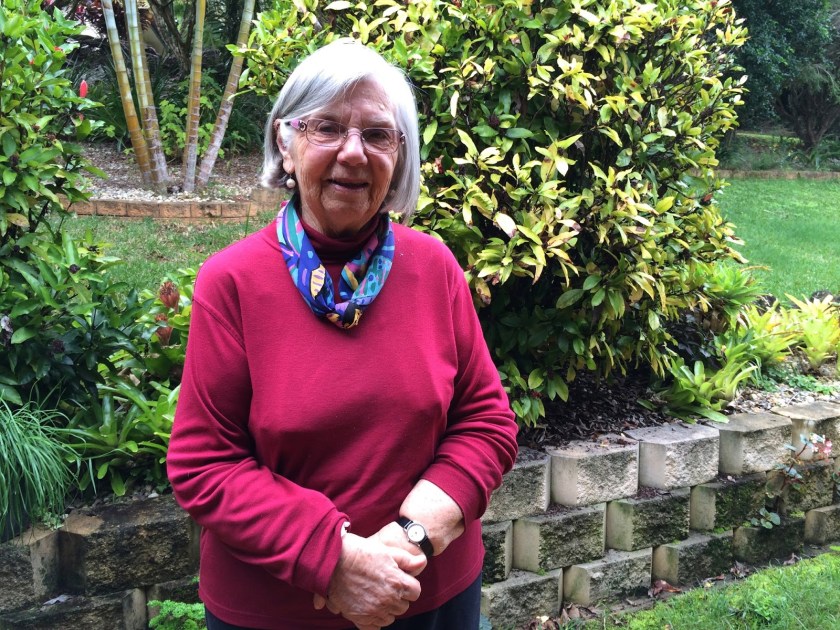
Peggy Young | Clunes

“There’s not a lot to tell about my family, I don’t think”, says Peggy, modestly.

“Thanks very much!” replies Malcolm, her eldest surviving son.

A sheepish smile emerges on Peggy’s face. “Well, there is a little bit to tell.”

We are sitting in Margaret “Peggy” Young’s living room on a chilly winter day in Clunes, the reverse-cycle air-conditioner blasting welcome warm air over the three of us.

“My great grandfather’s name was Hely,” Peggy begins. “His father, Frederick Augustus Hely, came out in 1823 to be principal superintendent of convicts.”

The tale goes that Peggy’s great grandfather, Hovenden Hely, just an infant on the boat trip, became an explorer who accompanied Ludwig Leichhardt on his second expedition through Queensland.

“They clashed. So Hovenden was in Leichhardt’s bad books. But Hovenden didn’t think much of Leichhardt either,” Peggy jokes. When Leichhardt set off for a third time in 1848 and vanished with his entire party somewhere west of the Darling Downs, Hovenden led the expedition to search for them. “So that’s my claim to fame.”

Peggy and her husband, Horace Anthony “Tony” Young, raised four children and spent most of their married life on their farm, The Rocky, 17 miles outside of Mendooran in central western NSW.

Originally from Brisbane, Peggy found she loved life on the sheep station. She taught herself to paint from books, home schooled her children for a while, and managed to keep geraniums alive by growing them on her verandah and covering them at night to protect them from the heavy frosts.

Finishing their schooling in Sydney, the children always looked forward to returning to the farm in the holidays.

“They ‘d say ‘I hope you haven’t accepted any of those silly invitations to tennis parties.’ They’d get invitations, you see, and I’d foolishly say ‘oh yes, that’d be very nice, thank you.’ But that wasn’t their cup of tea at all, they just wanted to go out shooting.”

Peggy’s first son, Mark, died only 16hrs after birth. “His lungs didn’t open up properly. In those days they never showed him to me, I didn’t get to see him or hold him or anything. That was 1947.” Malcolm, the next born, now lives in Eltham, and enticed Peggy to move to the Northern Rivers last year.

Peggy’s husband, Tony, and their third son, James, both passed away several years ago, while her two youngest children, Lisa and Angus, now live in Hobart and Dubbo. Having recently celebrated her 90thbirthday, Peggy now has 12 grandchildren and 11 great grandchildren.

Peggy and Tony met in Brisbane during WWII. “He was in the navy and we met one fateful night”, she laughs, raising her eyebrows. “I had him guessing. I had a little broach with an M on it, and he wanted to know what my name was so I just teased him all night and said ‘guess’. I don’t know whether he did, but he made me laugh.”

Tony’s ship had come into port and dances were put on for the servicemen.

“There was an advertisement in the paper that said they wanted ‘nice young girls’, you know, very proper, to come and they had to be interviewed to make sure. So I passed. Today you wouldn’t read about it.”

They were married soon after Tony was discharged in 1946. “I didn’t worry about leaving my poor mother,” says Peggy, matter-of-factly. “I was her only child and she was separated from my dad very early on. I was just about 21. I was in my romantic dream of marrying my sailor love.”